Women are diagnosed with irritable bowel syndrome at roughly twice the rate of men. They report more frequent bloating, constipation, and abdominal discomfort. And these patterns are not random -- they track directly with hormonal fluctuations across the menstrual cycle, pregnancy, and menopause.
This is not a coincidence. Estrogen and progesterone directly influence gut motility, intestinal permeability, visceral sensitivity, and the composition of the gut microbiome itself. Your digestive health and your hormonal health are not separate systems. They are deeply interconnected -- and understanding that connection changes how we should think about probiotic supplementation for women.
Why Women's Digestive Health Is Different
Hormonal Influences on Gut Function
Estrogen and progesterone receptors are distributed throughout the gastrointestinal tract. These hormones directly modulate the speed at which food moves through your digestive system, how sensitive your intestinal nerves are to distension and gas, and how permeable your gut barrier is to bacterial compounds.
Progesterone slows gut motility. During the luteal phase of the menstrual cycle (the two weeks before your period), rising progesterone levels slow intestinal transit time. This is why many women experience constipation and bloating in the week before menstruation. During pregnancy, when progesterone levels are dramatically elevated, constipation becomes even more common.
Estrogen modulates visceral sensitivity. Fluctuations in estrogen levels affect how sensitively your gut nerves respond to normal digestive processes like gas production and intestinal distension. During periods of estrogen withdrawal -- the days just before and during menstruation -- visceral sensitivity increases, which may explain why digestive discomfort often peaks at this point in the cycle.
Hormonal shifts alter microbial composition. Research has documented measurable changes in gut microbial populations across the menstrual cycle. Estrogen influences bile acid metabolism, which in turn affects which bacterial species thrive. The dramatic hormonal shifts of pregnancy and menopause produce even more significant microbial changes.
The IBS Gender Gap
The disproportionate impact of IBS on women appears to be driven by these hormonal-digestive interactions. Women with IBS report more severe symptoms during menstruation and often experience symptom changes across their menstrual cycle. This pattern strongly suggests that the same hormonal fluctuations affecting gut motility and sensitivity are amplifying underlying IBS pathology.
What this means practically is that women may benefit from probiotic strategies specifically designed for the hormonal-digestive interface -- not generic formulations designed for a population that is predominantly male in clinical trials.
Strain-Specific Evidence for Women's Digestive Health
Not all probiotic strains are equal. The effects are highly strain-specific, meaning that a study demonstrating benefits for Lactobacillus rhamnosus GG does not automatically apply to other Lactobacillus rhamnosus strains, let alone other species entirely. Here are the strains with the strongest evidence relevant to women's digestive health.
For IBS With Constipation Predominance (IBS-C)
Constipation-predominant IBS is significantly more common in women than men, likely due to the progesterone-mediated slowing of gut motility described above.
Bifidobacterium lactis strains have demonstrated the ability to improve intestinal transit time and stool frequency in clinical trials. Multiple studies show improvements in complete spontaneous bowel movements, bloating scores, and overall IBS severity ratings. The mechanism appears to involve SCFA production that stimulates colonic motility and modulation of the gut immune response that reduces visceral hypersensitivity.
Lactobacillus plantarum has shown benefits for overall IBS symptoms in several trials, with particular effects on bloating and abdominal pain. These symptoms often co-occur with constipation in women's IBS presentations.
For IBS With Diarrhea Predominance (IBS-D)
Saccharomyces boulardii, a beneficial yeast, has demonstrated efficacy for diarrhea-predominant symptoms in meta-analyses. Unlike bacterial probiotics, S. boulardii is inherently resistant to antibiotics, making it particularly valuable for women who experience digestive disruption during or after antibiotic courses -- a common trigger for IBS-D flares.
Bacillus coagulans has shown benefits for diarrhea-predominant IBS in clinical trials, with improvements in stool consistency, abdominal pain, and bloating. Bacillus species form spores that survive stomach acid transit, ensuring viable organisms reach the intestines.
For Mixed-Type and General Digestive Support
Multi-strain combinations consistently outperform single-strain products in meta-analyses of IBS therapy. This likely reflects the ecological reality that your gut microbiome is a complex ecosystem requiring diverse microbial inputs, not a single missing species.
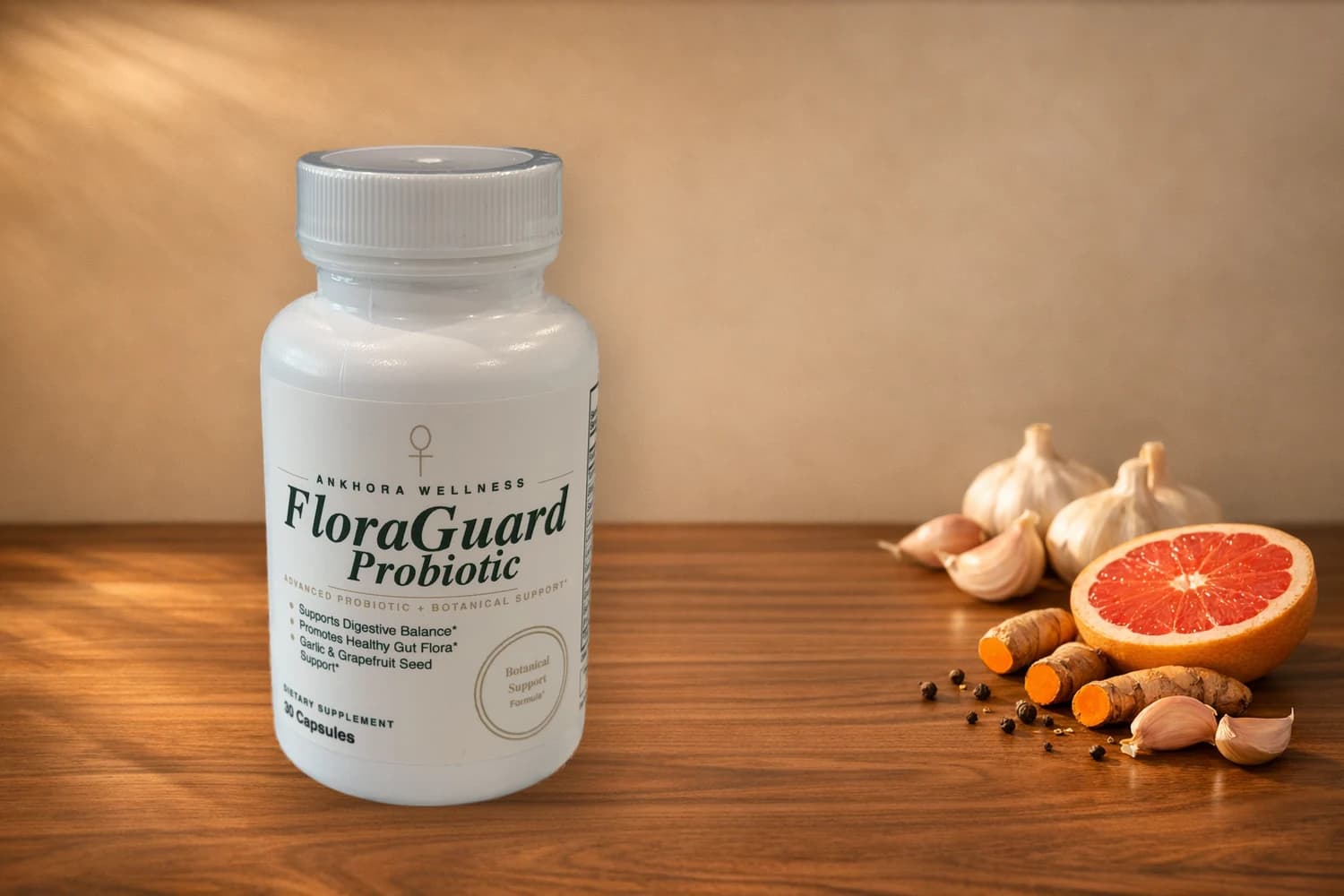
Formulations that combine Lactobacillus, Bifidobacterium, and Bacillus species -- like FloraGuard -- provide coverage across different ecological niches in the gastrointestinal tract. Different genera colonize different regions, produce different metabolites, and interact with different components of the immune system. This diversity of action may explain why multi-strain products show more reliable results across diverse patient populations.
The Gut-Vaginal Microbiome Connection
What many women do not realize is that their gut and vaginal microbiomes are not isolated ecosystems. They are connected through a process called bacterial translocation, where organisms from the gut can migrate to colonize the vaginal tract.
Why Gut Health Affects Vaginal Health
The dominant protective species in a healthy vaginal microbiome -- Lactobacillus crispatus, L. rhamnosus, L. reuteri, and L. gasseri -- are also found in the gut. Maintaining healthy gut populations of these species creates a reservoir that can continuously replenish vaginal colonies.
Clinical research has demonstrated that oral probiotic supplementation with specific Lactobacillus strains can influence vaginal microbial composition. Studies on Lactobacillus rhamnosus GR-1 and Lactobacillus reuteri RC-14 have shown that oral supplementation increased vaginal Lactobacillus populations and improved vaginal microbiome markers.
This connection means that a comprehensive gut probiotic like FloraGuard may support vaginal health as a secondary benefit -- not by directly targeting the vaginal microbiome, but by maintaining the gut Lactobacillus populations that serve as a source for vaginal colonization.
For women seeking targeted vaginal microbiome support, a dedicated formulation like Flora Shield provides strains specifically selected for vaginal health alongside gut-supportive organisms.
Beyond Bacteria: Supporting the Digestive Environment
Introducing beneficial bacteria into a hostile gut environment produces limited results. For probiotics to establish stable colonies and deliver their benefits, the intestinal environment needs to support their survival.
Reducing Intestinal Inflammation
Chronic low-grade inflammation in the gut damages the intestinal lining, disrupts the mucus layer that protects epithelial cells, and creates conditions that favor pathogenic organisms over beneficial ones. Reducing this inflammation is a prerequisite for effective probiotic colonization.
Curcumin (from turmeric) has demonstrated anti-inflammatory effects in the GI tract that may support the intestinal environment probiotics need. When combined with piperine for enhanced absorption, curcumin may help reduce the inflammatory baseline that interferes with beneficial bacterial colonization.
Supporting Gut Barrier Function
The intestinal barrier -- a single layer of epithelial cells connected by tight junction proteins -- determines what crosses from the gut lumen into your bloodstream. When this barrier is compromised, bacterial components trigger systemic inflammation that worsens digestive symptoms and disrupts hormonal balance.
Specific probiotic strains, particularly from the Lactobacillus and Bifidobacterium genera, have demonstrated the ability to support tight junction protein expression. But the barrier also needs nutritional support for the rapid cellular turnover it undergoes every three to five days. Folate, zinc, and adequate protein intake all support intestinal epithelial cell regeneration.
Antimicrobial Botanicals for Ecological Balance
Sometimes the most effective way to support beneficial bacteria is to reduce competition from pathogenic organisms. Garlic extract (allicin) and grapefruit seed extract have demonstrated selective antimicrobial properties in research -- they tend to impact pathogenic organisms more than beneficial Lactobacillus and Bifidobacterium species.
This selective activity may help shift the competitive balance in your gut ecology, creating openings for beneficial strains to colonize more effectively.
Practical Recommendations for Women
Choose Strains With Female-Specific Evidence
Not all probiotic products are designed with women's hormonal-digestive interactions in mind. Look for formulations that include:
- Bifidobacterium lactis for transit time and constipation support
- Lactobacillus species (particularly L. rhamnosus and L. plantarum) for overall digestive comfort
- Bacillus coagulans for acid-resistant spore-forming support
- Multi-strain diversity rather than high-CFU single-strain products
Consider Cycle-Aware Supplementation
Because digestive symptoms often fluctuate with your menstrual cycle, some women find it helpful to pay closer attention to probiotic consistency during the luteal phase, when progesterone-driven motility changes are most likely to cause symptoms.
Consistent daily supplementation is generally more effective than reactive dosing, but being aware of the hormonal-digestive connection can help you set realistic expectations about when symptoms may temporarily increase despite consistent probiotic use.
Support the Full Ecosystem
A probiotic supplement is one component of digestive health, not the whole strategy. Prebiotic fiber from foods like garlic, onions, asparagus, and oats feeds the beneficial bacteria you are introducing. Adequate hydration supports intestinal transit. Regular physical activity stimulates gut motility through mechanical and hormonal mechanisms.
A comprehensive formulation like FloraGuard addresses multiple aspects of the gut ecosystem -- probiotic strains, antimicrobial botanicals, and absorption enhancers -- but it works best as part of a broader approach to digestive wellness.
Track Your Response
Because women's digestive health is influenced by cyclical hormonal changes, tracking your symptoms alongside your menstrual cycle for at least two to three full cycles can help you distinguish between probiotic effects and hormonal patterns. Many women report meaningful improvements in digestive comfort within 4-8 weeks of consistent multi-strain probiotic use, but the timeline varies.
The Bigger Picture
Women's digestive health is not a smaller version of men's digestive health. It operates through different hormonal inputs, different symptom patterns, and different microbial dynamics. Probiotic supplementation designed for women should reflect these differences -- with strain selection informed by female-specific evidence, formulations that account for the gut-vaginal microbiome connection, and environmental support that addresses the inflammatory and permeability changes driven by hormonal fluctuations.
The research in this area is advancing rapidly. What we know now is that strain specificity matters, multi-strain diversity outperforms single-strain approaches, and the gut environment determines whether the bacteria you introduce actually establish colonies and deliver benefits.
Choosing a probiotic is not just about the organisms on the label. It is about whether those organisms are supported by a formulation designed for the biology you actually have.
The information in this article is for educational purposes and is not intended to diagnose, treat, cure, or prevent any disease. Consult your healthcare provider before starting any new supplement regimen.