Your gut lining replaces itself every three to five days. That is one of the fastest cellular turnover rates in your body, and it means the barrier between your bloodstream and the outside world is in a constant state of demolition and reconstruction. If the microbial residents, the immune environment, and the raw materials for rebuilding are not aligned during that renewal cycle, the barrier degrades — and digestion, nutrient absorption, and immune calibration all sit downstream of it.
Most probiotic supplements address exactly one dimension of that problem. They introduce beneficial bacteria and hope those organisms find a hospitable environment when they arrive. That is a reasonable starting point, but it is incomplete. Populating the gut with friendly microbes does not accomplish much if the intestinal lining is irritated, if less-favorable organisms already occupy the ecological niches the new arrivals need, or if the epithelial cells lack the folate required to maintain their relentless division schedule.
A more comprehensive strategy works on three fronts at once: establish diverse microbial populations across the length of the GI tract, shape the intestinal environment to favor their survival, and support the biological infrastructure that keeps the gut barrier intact. Here is what the research shows about each layer — and, just as importantly, where it stops.
How to read the research in this article. A large share of the strain-level probiotic literature was conducted in clinical settings — antibiotic-associated diarrhea, irritable bowel syndrome, hospitalized patients — because that is where trials get run. We describe those studies because they are the reason we know how these organisms behave, but describing a study is not the same as claiming a supplement will reproduce it. Ankhora products are dietary supplements. They are not drugs, they are not intended to diagnose, treat, cure, or prevent any disease, and nothing below is medical advice. Where a studied dose differs from what a capsule actually delivers, we say so.
Why Single-Strain Probiotics Fall Short
The probiotic aisle is dominated by single-strain products, often featuring one species of Lactobacillus or Bifidobacterium at impressively large CFU counts. The implicit promise is that more of one thing equals better results. The clinical data tells a different story.
Your native gut microbiome contains hundreds of species across dozens of genera, each occupying distinct ecological niches along the gastrointestinal tract. Different species colonize different regions, produce different metabolites, and interact with different components of your immune system. A single strain, however well studied, can only occupy one niche and perform one set of metabolic functions.
Meta-analyses comparing single-strain and multi-strain formulations consistently find that multi-strain combinations produce larger effect sizes for IBS symptom improvement and overall gut health outcomes. A three-level meta-analysis confirmed this pattern, and the same analysis found that Bacillus-containing formulations showed significantly larger effect sizes than many other genera.
The explanation is ecological. Different genera occupy distinct niches, which reduces competitive exclusion — the phenomenon where one species crowds out another. Plant a diverse mix of organisms adapted to different conditions along the tract, and the probability that at least some establish themselves in your particular gut increases.
Five Strains, Four Genera: Covering the Full Tract
A robust multi-strain probiotic spans not just multiple species but multiple genera, because the biological distance between genera is far greater than between species within a genus. A five-strain formula built this way spans Bifidobacterium, Lactobacillus, Bacillus, and Saccharomyces — three bacterial genera plus a beneficial yeast, which is a taxonomic gap wide enough to matter functionally. Here is what each contributes.
Bifidobacterium bifidum
B. bifidum is a dominant resident of the healthy adult large intestine, and it earns its place through two mechanisms. It produces acetate and lactate as primary fermentation products, gently lowering colonic pH toward an environment that favors beneficial flora. And it stimulates goblet cells to produce mucin — the glycoprotein layer that physically separates gut bacteria from the intestinal epithelium. Without adequate mucin, even beneficial bacteria contact the epithelial surface directly.
B. bifidum also interacts with dendritic cells in gut-associated lymphoid tissue, supporting balanced immune signalling rather than chronic activation. And notably, it belongs to a group of Bifidobacterium species that produce folate as a metabolic byproduct — a detail that matters when we get to the gut lining's folate demand.
Saccharomyces boulardii
S. boulardii is not a bacterium. It is a beneficial yeast, and that taxonomic distinction gives it a survival advantage: it is naturally hardy, survives stomach acid without refrigeration, and holds a stable presence under conditions many bacterial probiotics find difficult. Its yeast biology also means it is inherently unaffected by antibacterial antibiotics.
Its mechanisms are distinct from any bacterial probiotic: stimulation of secretory IgA production, enhancement of brush border enzyme activity, upregulation of tight junction proteins, and direct trophic effects on the enterocytes lining your intestinal wall. Its clinical evidence base — a systematic review and meta-analysis in adults — sits largely in the antibiotic-associated diarrhea literature, with reported effects on stool frequency and consistency. That is a clinical context rather than an everyday-wellness one; the structure/function relevance here is the enzymatic, secretory IgA, and barrier-support mechanisms, not the trial endpoints.
Bacillus coagulans (LactoSpore)
B. coagulans is a spore-forming probiotic, meaning it produces a biological survival capsule that shields it through manufacturing, storage, and the acidic transit of your stomach. The spore germinates on reaching the alkaline environment of the small intestine, where it begins producing lactic acid and contributing to a favorable intestinal pH.
This is not a theoretical advantage. Many conventional probiotic strains lose significant viability between the manufacturing floor and the small intestine; spore-formers bypass that problem. LactoSpore is a well-characterized commercial strain with documented lactic acid production and strong shelf stability data, which is what allows a formulation to skip refrigeration.
Lactobacillus acidophilus
L. acidophilus is among the most extensively studied probiotic species, resident primarily in the small intestine. It supports lactose digestion through beta-galactosidase production, generates hydrogen peroxide and bacteriocins that help maintain a balanced microbial environment, and engages immune signalling through direct interaction with Peyer's patches — the immune surveillance outposts embedded in the intestinal wall. As with S. boulardii, its meta-analytic evidence comes largely from antibiotic-associated clinical settings; the everyday relevance is the lactose digestion and immune-signalling mechanism.
Lactobacillus rhamnosus
L. rhamnosus was the first Lactobacillus species patented, on the strength of its demonstrated ability to survive gastric acid, adhere to enterocytes, and produce a protective biofilm over the mucosal surface. A 30-year review documents its capacity to maintain intestinal barrier homeostasis through several mechanisms: enhancing mucin expression, reducing epithelial cell apoptosis, and improving crypt cell proliferation — the stem cell activity that drives gut lining renewal. Its metabolites maintain tight junction proteins even under immune challenge.
Its strongest quantified clinical result is again in the antibiotic-associated diarrhea literature, where meta-analysis puts risk at 12.3% versus 22.4% (RR 0.49). Worth knowing, worth not over-reading: that is a medical endpoint in a medical context, and it is cited here to characterize the organism, not to describe what a daily capsule does.
Shaping the Environment: The Botanical Layer
Populating the gut is half the strategy. If the intestinal environment is irritated or microbially imbalanced, even well-chosen strains struggle to establish stable populations. Three botanicals address that environmental dimension through complementary mechanisms.
Turmeric: Soothing the Intestinal Environment
Turmeric root powder provides curcuminoids that modulate NF-kB-mediated immune signalling in the gut lining. Chronic low-grade intestinal irritation disrupts tight junction proteins, increases permeability, and creates conditions where beneficial bacteria struggle to form stable colonies. Curcumin influences COX-2 expression, helps balance signalling cytokines including IL-6 and TNF-alpha, and supports the gut's natural resolution processes.
Curcumin's role here extends past soothing. A double-blind, randomized, placebo-controlled pilot study found that subjects taking curcumin displayed a 69% average increase in detected species of gut bacteria compared with placebo. That suggests curcumin acts as something like a prebiotic modifier of microbial diversity — not by feeding bacteria directly, but by easing the conditions that suppress microbial richness.
There is a useful nuance in that finding. Higher plasma curcumin is not automatically the goal: curcumin's local concentration in the gut lumen may matter more than systemic levels for GI-related effects, and curcumin's metabolites carry independent biological activity of their own. Keep that in mind for the next section, where the absorption story is more complicated than it is usually told.
BioPerine and the Absorption Question — Read This Part Carefully
Standard curcumin preparations deliver less than 2% of ingested curcuminoids into systemic circulation, for four converging reasons: poor aqueous solubility, limited intestinal permeability with rapid P-glycoprotein efflux, extensive first-pass conjugation, and a plasma half-life of only one to two hours. Piperine — the primary alkaloid in black pepper — addresses the third of those by inhibiting the UDP-glucuronosyltransferase enzymes that conjugate curcumin and flag it for elimination.
The number everyone quotes comes from the landmark Shoba et al. study, which reported a 2,000% (20-fold) increase in curcumin bioavailability when 2 g of curcumin was co-administered with 20 mg of piperine in human volunteers. It is a real result from a real trial, and it is also the single most over-extrapolated figure in the supplement industry.
Here is what the subsequent pharmacokinetic literature added:
- An independent crossover study in nine healthy males found that adding piperine produced no significant benefit to curcumin plasma levels.
- A study using 5 mg of piperine rather than 20 mg found only an approximate 2-fold increase.
- The practical assessment across the clinical PK literature is that piperine's effect is real but variable, likely in the 2–10-fold range rather than the often-cited 20-fold. The inconsistency probably reflects dose-dependent piperine effects, inter-individual variation in CYP and UGT activity, and methodological differences between studies.
That middle bullet is the one that matters for a real product. FloraGuard Probiotic contains 5 mg of BioPerine® black pepper extract — the dose associated with roughly a 2-fold enhancement, not the 20 mg used in Shoba. A formula containing 5 mg of piperine should not be described as delivering a 2,000% absorption increase, and we are correcting that framing here rather than repeating it. BioPerine meaningfully improves on unformulated turmeric; it does not multiply it twentyfold.
Piperine's absorption effect is also not selective for curcumin — it enhances uptake of several nutrients including coenzyme Q10, vitamin B6, and beta-carotene, and, less conveniently, of many pharmaceuticals. That is covered in the interactions section below, and it is not a footnote.
Garlic Extract: Microbiome-Balancing and Prebiotic at Once
Garlic is one of the rare ingredients that functions as both a microbiome-balancing botanical and a prebiotic. Allicin and its metabolites — diallyl sulfide, diallyl disulfide, diallyl trisulfide — help rebalance microbial populations by influencing thiol-dependent enzyme systems in less-favorable organisms, creating selective pressure that favors beneficial commensals.
That selectivity is measurable. Allicin administration significantly improved gut microbiota composition, with enrichment of Bifidobacterium and Lactobacillus populations — precisely the genera probiotic supplementation aims to support. Meanwhile, garlic's fructan carbohydrates act as prebiotic fiber that beneficial bacteria ferment into short-chain fatty acids, particularly butyrate. Butyrate is not a minor metabolite here: it is the primary energy source for colonocytes and is required for tight junction protein expression, which links the prebiotic layer directly back to barrier integrity.
Standardization to 1% allicin is what keeps that activity consistent from batch to batch, which raw garlic preparations cannot promise.
Grapefruit Seed Extract: Fast-Acting, and Honestly Caveated
Grapefruit seed extract (GSE) contributes a third mechanism distinct from garlic and curcumin. It influences bacterial membrane integrity with notable speed — measurable effects within 15 minutes of contact — and has been described as supporting a more balanced gut microbial community through modulation of microbiota composition.
The strategic value of GSE in a multimodal formula is terrain preparation: by supporting a favorable microbial balance, it helps open ecological niches that supplemented strains can settle into rather than arriving to find a fully occupied community.
It also deserves the clearest caveat in this article. Of all the ingredients discussed here, GSE has the weakest and most contested evidence base — the research is moderate in quality, and there is genuine scientific controversy about the identity of the active compounds in commercial GSE preparations. Treat it as the supporting player it is.
Folate: Fueling the Gut's Fastest-Dividing Cells
The intestinal epithelium is among the fastest-dividing tissue in the body. Complete mucosal renewal every three to five days places extraordinary demand on the machinery of DNA synthesis, repair, and methylation — all of which require folate.
Enterocytes are not the only cells in play. The barrier comprises several specialized cell types: enterocytes absorb nutrients, goblet cells produce the protective mucin layer, and Paneth cells secrete defensins. Proper differentiation of all three depends on DNA methylation, the epigenetic mechanism governing gene expression during cell maturation. Without adequate folate to drive methylation, those differentiation programs falter, and the functional diversity of the barrier declines even if division rates hold.
In folate-deficient states the barrier thins, because crypt stem cells cannot sustain division rates sufficient to replace cells shed at the villus tips. Permeability rises. Those are precisely the conditions that undermine probiotic colonization.
Here the synergy becomes genuinely elegant. Several probiotic Bifidobacterium species — B. bifidum among them — are known folate producers. Supplementing with B. bifidum may augment folate status in the gut, while exogenous folate supports the intestinal environment those bacteria need to colonize. Each ingredient creates conditions the other requires, which is the kind of bidirectional reinforcement that single-ingredient approaches cannot produce.
What Is Actually in the Bottle
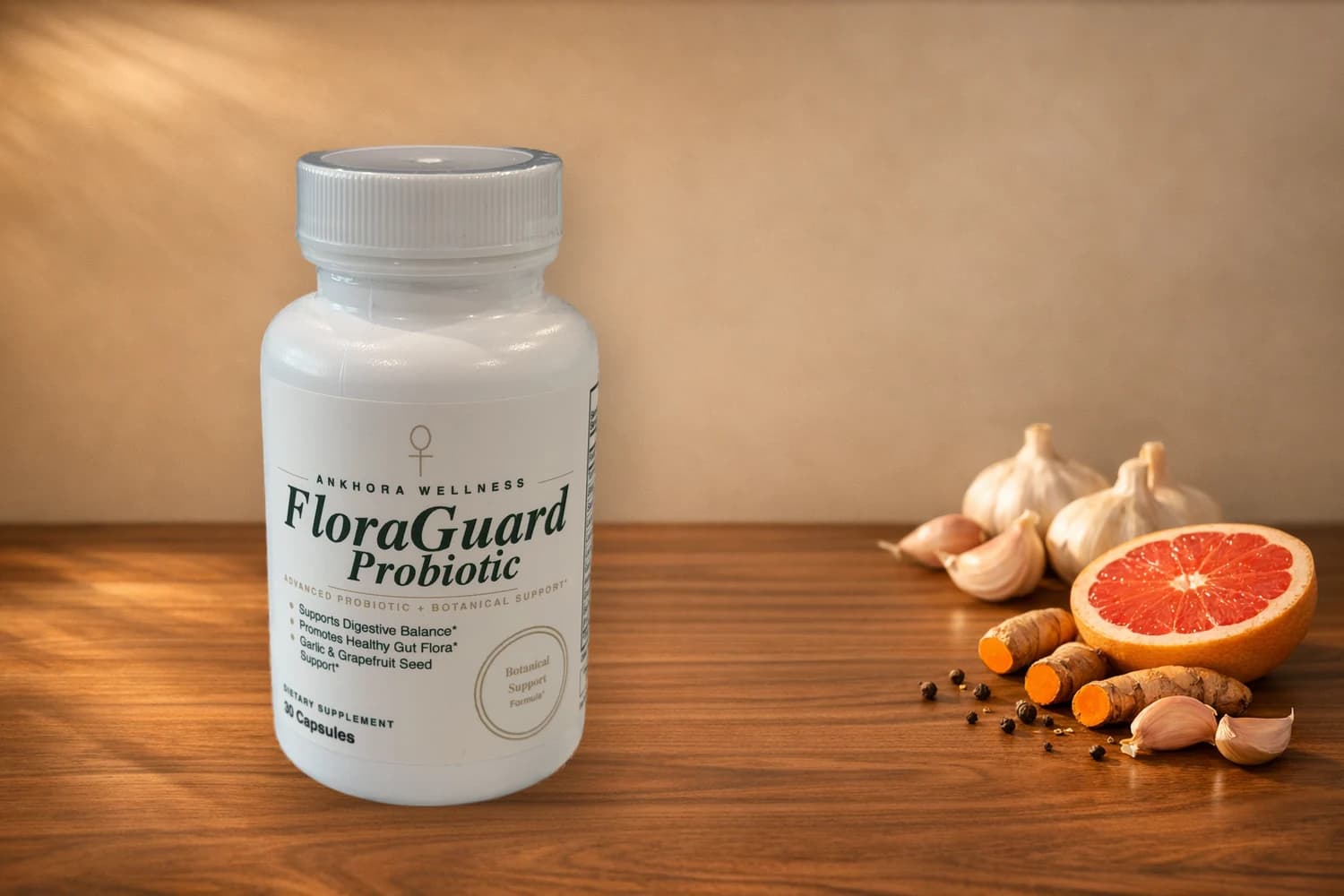
Frameworks are easy to write in the abstract. Here is the actual per-capsule composition of FloraGuard Probiotic, so the sections above can be read against real numbers rather than adjectives — one capsule daily, 30 per container:
- Folate — 666.66 mcg DFE (167% DV)
- Turmeric Root Powder — 100 mg
- Bifidobacterium bifidum Complex — 50 mg
- Saccharomyces boulardii Complex — 50 mg
- LactoSpore® Bacillus coagulans Complex — 50 mg
- Lactobacillus acidophilus Complex — 50 mg
- Lactobacillus rhamnosus Complex — 50 mg
- Garlic Bulb Extract (1% Allicin) — 50 mg
- Grapefruit Seed Extract — 25 mg
- BioPerine® Black Pepper Extract — 5 mg
Why the probiotics are listed in milligrams and not CFU. This is the question we get most often about the label, and the answer is regulatory rather than evasive. FDA's 2018 draft guidance on probiotic labeling directs that the weight-based declaration is listed first, with CFU permitted as a parenthetical alongside it. CFU measures only live organisms, and industry best practice is to declare CFU at the end of shelf life rather than at manufacture — which is why a big CFU number printed on a competitor's bottle is not automatically comparable to another bottle's number, or to what remains in it by the time you swallow it. Two of the five strains here — S. boulardii, a yeast, and B. coagulans, a spore-former — are inherently shelf-stable, which is a viability advantage that no manufacture-date CFU count captures.
The Framework: Populate, Protect, Potentiate
Rather than reading these ingredients as an unrelated list, it helps to organize them into three simultaneous lines of defense.
Populate
Five probiotic strains spanning Bifidobacterium, Lactobacillus, Bacillus, and Saccharomyces establish broad microbial coverage. L. acidophilus and L. rhamnosus colonize the small intestine. B. bifidum anchors the large intestine. S. boulardii and B. coagulans provide acid-resistant and spore-protected organisms that survive gastric transit reliably. Spanning genera ensures coverage across ecological niches rather than overloading a single niche with redundant organisms.
Protect
Garlic allicin, grapefruit seed extract, and turmeric curcuminoids provide microbiome-balancing and soothing support that favors beneficial flora. Garlic's prebiotic fructans actively feed the populations being supplemented, and the butyrate that fermentation yields is itself required for tight junction protein expression. This layer shapes the environment to favor the organisms you are trying to establish.
Potentiate
BioPerine slows the metabolic clearance of curcuminoids, improving on unformulated turmeric — realistically on the order of a 2-fold enhancement at the 5 mg piperine dose in this formula, not the 20-fold headline from a 20 mg protocol. Folate supports the cellular machinery of gut lining renewal. The combined soothing effects of curcumin plus probiotic-derived short-chain fatty acids support a calm gut environment through local and systemic pathways at once.
Removing any single layer weakens the whole. Probiotics without environmental support are colonists arriving in hostile territory. Microbiome-balancing botanicals without probiotics shift the environment but leave niches vacant for the next opportunistic organism. Absorption enhancers without the right compounds to enhance solve a problem the formula does not have.
What This Evidence Does Not Show
A limitations section is not a legal formality here; it is the part most articles of this kind omit, and it changes how you should read everything above.
The combination has never been tested as a combination. Each individual ingredient has meaningful clinical evidence. The specific combination of all ten components in a single formulation has not been studied in a randomized controlled trial. The multimodal rationale rests on complementary mechanisms and non-overlapping biological targets — plausible, mechanistically coherent, and not the same thing as a trial result.
The evidence is uneven across ingredients. Multi-strain probiotic evidence is strong. Turmeric-piperine pharmacokinetics are well characterized, though the magnitude is contested as described above. Garlic's antimicrobial and prebiotic properties are documented. Folate's role in epithelial maintenance is well-established biochemistry. Grapefruit seed extract is the weak link — moderate evidence with real controversy about active compound identity in commercial preparations.
Much of the strain-level data comes from clinical populations. The quantified probiotic results cited above — the L. rhamnosus risk reduction, the S. boulardii meta-analysis — come from antibiotic-associated diarrhea trials. They tell you the organisms are biologically active and reasonably characterized. They do not translate into a promise about how a healthy adult will feel after two weeks.
Who This Suits
Rebalancing After Microbiome Disruption
Everyday life is full of events that disrupt the gut microbiome — travel, dietary change, stretches of high stress, illness. Psychological stress in particular affects the barrier directly: cortisol suppresses mucosal immune defense, and stress-released CRH activates mucosal mast cells whose histamine and proteases degrade tight junction proteins. S. boulardii, a hardy yeast, is well suited to maintaining a stable presence through these periods. The four bacterial strains support recolonization, and the botanicals help favor beneficial organisms while the ecosystem re-establishes itself.
Chronic Digestive Discomfort
If you experience persistent bloating, irregular bowel patterns, or general digestive unease without a clear medical diagnosis, a multimodal approach offers several angles where single-mechanism supplements offer one. The probiotic layer addresses microbial balance. Curcumin helps soothe low-grade mucosal irritation. The botanicals help support a healthy ratio of beneficial organisms. Folate ensures the lining has raw materials for its continuous renewal cycle. If symptoms are persistent or worsening, that is a reason to see a clinician, not to increase a dose.
Immune Support Through Gut Health
A large share of the body's immune cells reside in gut-associated lymphoid tissue, and the immune cells embedded in your intestinal wall depend on signals from commensal bacteria to calibrate their responses — distinguishing genuine threats from harmless food antigens and benign microbes. Probiotic strains interact directly with these sensors. S. boulardii stimulates secretory IgA. B. bifidum modulates dendritic cell responses. Curcumin helps balance the signalling cytokines that drive immune overactivation. The combined activity supports balanced immune function at the body's largest interface with the outside world.
Practical Guidance
When to Take It
A multimodal gut supplement performs best taken with food. The meal buffers stomach acid, improving survival of acid-sensitive strains during gastric transit. Dietary fat also improves curcumin absorption — all curcumin formulations absorb better with a fat-containing meal, and curcuminoids are lipophilic. Eggs, avocado, nuts, or olive oil in the meal is ideal.
What to Expect and When
Digestive comfort improvements typically emerge within one to two weeks — the window where colonization begins shifting microbial populations and curcumin's soothing effects start easing mucosal irritation. Full colonization and microbial rebalancing may require four to eight weeks of consistent daily use. Transient gas and bloating in the first week are common and expected with any probiotic, and do not constitute a reason to stop. Consistency matters more than occasional high doses.
Shelf Stability
S. boulardii (yeast) and B. coagulans (spore-former) are inherently shelf-stable and do not require refrigeration. Their inclusion provides insurance against potency loss during storage and shipping — a real-world advantage, since supplements that need refrigeration tend to get forgotten at the back of a shelf.
Medication Interactions and Who Should Not Take This
This section is longer than the one it replaced, because the piperine in this formula genuinely earns the attention.
Piperine is a metabolic amplifier, not just an absorption aid. It is a potent inhibitor of CYP3A4 — the enzyme responsible for metabolizing roughly half of all pharmaceuticals — as well as CYP2C9 (warfarin, NSAIDs, many antidiabetic drugs), CYP1A2 (theophylline, caffeine, some antipsychotics), and the P-glycoprotein efflux transporter. By inhibiting those systems, piperine can raise blood levels of co-administered medications, turning a subclinical supplement-drug interaction into a clinically significant one. Formulations containing piperine carry substantially higher interaction risk than those without it.
- Anticoagulants and antiplatelet agents. Curcumin has intrinsic antiplatelet activity and garlic extract may add to blood-thinning effects. Curcumin with piperine plus warfarin is classified as a high-risk combination requiring physician guidance. If you take warfarin, aspirin, clopidogrel, or another anticoagulant, speak to your anticoagulation clinic before starting, and expect more frequent INR monitoring early on.
- Narrow therapeutic index drugs. Any piperine-containing supplement combined with warfarin, digoxin, lithium, phenytoin, or theophylline warrants physician guidance.
- Levothyroxine. Separate doses by at least four hours.
- Diabetes medications. Curcumin has demonstrated glucose-lowering effects; monitor more closely when starting.
- Chemotherapy. Do not take curcumin supplements during cancer treatment without oncologist approval.
- General practice. Disclose all supplements to your physician and pharmacist, and space supplement doses two to four hours from medications.
Probiotics are not appropriate for everyone. They have an excellent safety record in healthy adults, but they are contraindicated in severe immunosuppression because of the risk of probiotic-derived bacteremia or fungemia. S. boulardii specifically carries a fungemia risk in patients with central venous catheters. Consult a physician before starting if you are in active cancer treatment, are an organ transplant recipient, are on immunosuppressive therapy, have a central line, or have recently had major surgery or hospitalization. People with prosthetic heart valves or significant structural heart disease should raise it with their cardiologist. Seek medical attention for a new fever within 48 hours of starting a probiotic, blood in stool, or severe abdominal pain.
Key Takeaways
-
Single-strain probiotics address one ecological niche. Multi-strain formulations spanning several genera produce larger clinical effect sizes because they cover distinct regions of the tract, perform complementary metabolic functions, and reduce competitive exclusion.
-
Populating the gut without shaping the environment is incomplete. Garlic and grapefruit seed extract help favor beneficial organisms; turmeric soothes the irritation that undermines colonization; garlic's fructans feed the incoming population and yield butyrate, which tight junction protein expression requires.
-
The 2,000% piperine number needs an asterisk. It comes from a 20 mg piperine protocol. At the 5 mg BioPerine® dose in this formula, the literature supports roughly a 2-fold enhancement, within an overall realistic range of 2–10-fold. Real improvement, not a twentyfold one.
-
Folate fuels the gut lining's three-to-five-day renewal cycle. Without folate for DNA synthesis and methylation, the barrier cannot maintain itself regardless of what else is present — and B. bifidum produces folate itself, closing the loop.
-
The combination has not been tested as a combination, and grapefruit seed extract is the weakest evidence in the formula. Both facts belong in the same sentence as the framework, not in a footnote.
-
Allow four to eight weeks. Initial digestive comfort often improves within one to two weeks, but microbial rebalancing is a gradual biological process.
-
If you take prescription medication, the piperine matters. Check the interaction list above before starting, particularly for anticoagulants and narrow therapeutic index drugs.
FloraGuard Probiotic was formulated around this multimodal framework — five probiotic strains spanning Bifidobacterium, Lactobacillus, Bacillus, and Saccharomyces, microbiome-balancing botanicals, BioPerine®-supported curcumin, and folate for gut lining support, in a single shelf-stable daily capsule.
This content is for informational purposes only and does not constitute medical advice. Always consult a qualified healthcare provider before starting any new supplement regimen, especially if you take prescription medications or have a condition affecting your immune system.