Women's Wellness & Hormonal Health
Targeted supplement strategies for women's health including hormonal balance and reproductive wellness
Women's health has historically been underrepresented in clinical research, but the past decade has seen a surge of high-quality studies focused on female-specific physiology, hormonal health, and targeted supplementation strategies.
Women's bodies operate on fundamentally different biological rhythms than men's, with hormonal fluctuations across the menstrual cycle, pregnancy, postpartum, perimenopause, and menopause creating distinct nutritional and supplementation needs at each life stage. A one-size-fits-all approach to wellness fails to address these unique requirements.
The vaginal microbiome represents one of the most important and least discussed areas of women's health. Dominated by Lactobacillus species, this microbial community provides a critical first line of defense against infections. When disrupted, whether by antibiotics, hormonal changes, or lifestyle factors, women become vulnerable to bacterial vaginosis, urinary tract infections, and other conditions. Clinically studied probiotic strains like L. rhamnosus GR-1 and L. reuteri RC-14 have demonstrated the ability to restore healthy vaginal flora in numerous controlled trials.
Hormonal balance is another area where evidence-based supplementation can make a meaningful difference. Conditions like PCOS, PMS, and menopausal symptoms have strong inflammatory and metabolic components that respond to targeted interventions. Curcumin has shown significant benefits for PCOS markers, while specific probiotic strains influence estrogen metabolism through the estrobolome, the collection of gut bacteria that metabolize estrogens.
Supplement safety is paramount, particularly for women who may be taking hormonal contraceptives, fertility treatments, or other medications. Drug-supplement interactions are a real concern that is often underaddressed in the wellness industry. Understanding which supplements are safe to combine with common medications, and which require caution, is essential knowledge for informed supplementation.
This hub brings together evidence-based guidance on probiotics for women's health, hormonal balance strategies, and the critical safety information that every woman should have before starting a supplement regimen.
Related Articles
Best Probiotics for Women: Why Strain Specificity Changes Everything
Not all probiotics are created equal. The difference between a probiotic backed by research and one that is not comes down to strain specificity — the exact bacterial strain, not just the species. Here is what the research says about the strains studied most in women, and where that research is still unsettled.
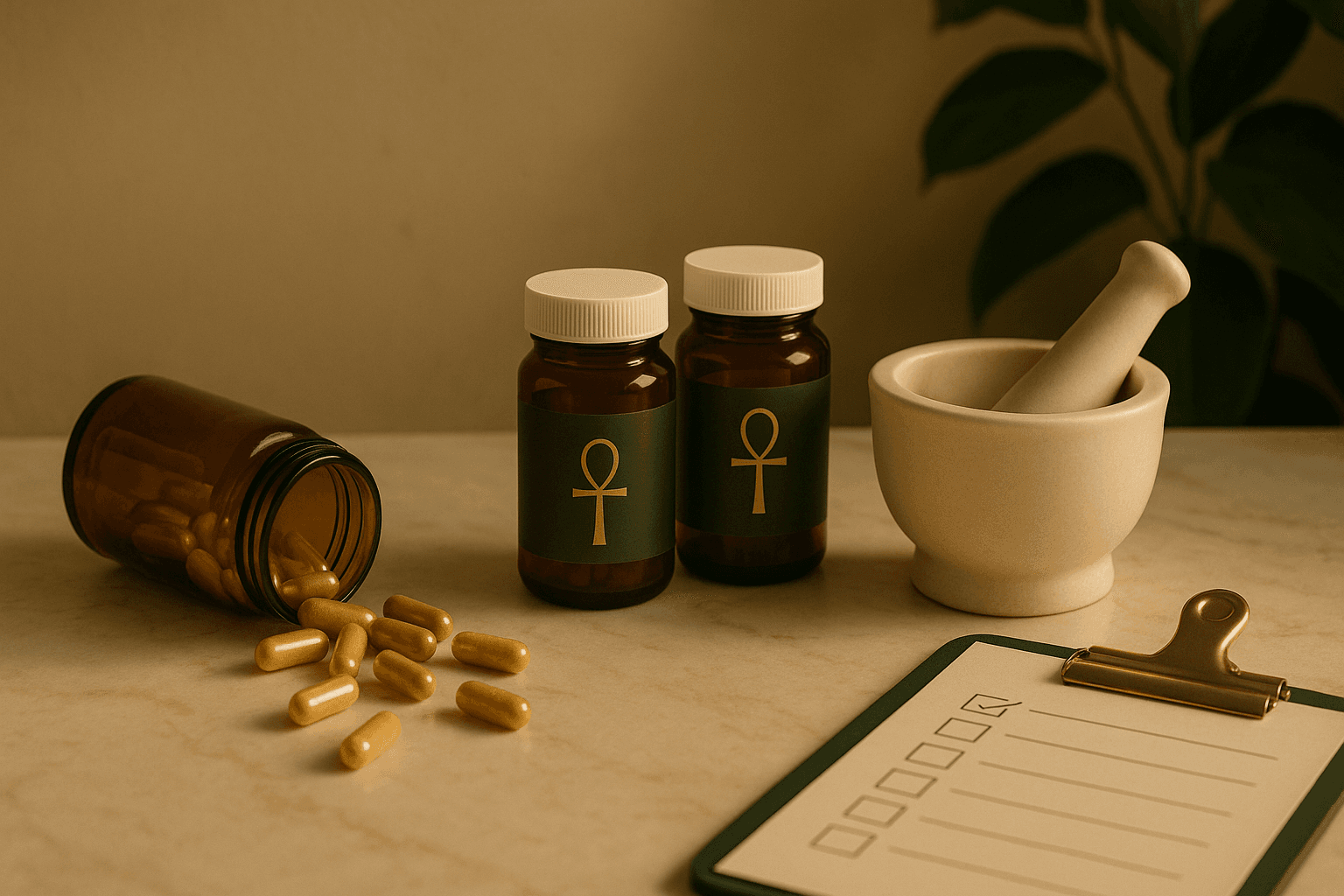
Supplement Safety: Critical Drug Interactions Every Woman Should Know
Essential guide to supplement-medication interactions that could affect your health, from blood thinners to thyroid meds.
Frequently Asked Questions
What supplements should women avoid during pregnancy?+
Several common supplements require caution during pregnancy. High-dose vitamin A (retinol), certain herbal adaptogens like ashwagandha, and some detoxification supplements should be avoided unless specifically recommended by a healthcare provider. Curcumin at supplemental doses may stimulate uterine contractions. Always consult your OB-GYN or midwife before starting any new supplement during pregnancy or while breastfeeding.
Do probiotics help with hormonal balance?+
Yes, through the estrobolome, a collection of gut bacteria that metabolize estrogens. A healthy gut microbiome supports proper estrogen recycling, while dysbiosis can lead to either excess or insufficient circulating estrogen. Probiotic strains that support a diverse gut microbiome may indirectly support hormonal balance. Direct vaginal health benefits from strains like L. rhamnosus GR-1 are also well-documented.
Can supplements interact with hormonal birth control?+
Some supplements can affect hormonal contraceptive efficacy. St. John's Wort is the most well-known interaction, significantly reducing the effectiveness of oral contraceptives. Activated charcoal and certain high-dose antioxidants may also interfere with absorption. Most common supplements like probiotics, magnesium, and curcumin do not interact with hormonal birth control, but always check with your pharmacist when adding a new supplement.
What are the best supplements for PMS symptoms?+
Clinical evidence supports several supplements for PMS management. Magnesium (200-400mg daily) has been shown to reduce bloating, mood changes, and cramps. Calcium (1000-1200mg daily) demonstrated a 48% reduction in PMS symptom scores in a large randomized trial. Vitamin B6 (50-100mg daily) supports serotonin production and may ease mood-related symptoms. Chasteberry (Vitex) has shown benefits for breast tenderness and irritability.
Are women's probiotics different from regular probiotics?+
Yes, meaningfully so. Women's probiotic formulations should include strains clinically studied for vaginal health, such as L. rhamnosus GR-1 and L. reuteri RC-14, which have been shown to colonize the vaginal tract and restore healthy flora. Generic probiotics optimized for digestive health do not provide these specific benefits. The strain designations (the letters and numbers after the species name) are what determine whether a probiotic has been validated for women's health applications.
Explore more wellness topics
Evidence-based insights from the Ankhora Wellness team.