Anti-Inflammation & Curcumin Science
The science of chronic inflammation and evidence-based anti-inflammatory compounds
Chronic low-grade inflammation has emerged as a central driver of many modern health conditions. Unlike the acute inflammation that helps heal a wound or fight an infection, chronic inflammation operates silently, contributing to joint degradation, hormonal disruption, metabolic dysfunction, and accelerated aging.
Curcumin, the primary bioactive compound in turmeric (Curcuma longa), has been the subject of over 13,000 published studies. Its anti-inflammatory mechanism is remarkably broad, targeting multiple inflammatory pathways including NF-kB, COX-2, and various inflammatory cytokines. In clinical trials, curcumin has demonstrated benefits for joint health, metabolic markers, mood, and hormonal conditions like PCOS.
However, curcumin has a fundamental challenge: bioavailability. Native curcumin is poorly absorbed, rapidly metabolized, and quickly eliminated from the body. This has led to significant innovation in delivery systems. Piperine (from black pepper) was the first widely adopted enhancer, improving absorption by approximately 2,000%. More recently, phytosome technology (binding curcumin to phosphatidylcholine) has achieved 29-fold improvements in bioavailability compared to standard curcumin.
The choice of curcumin formulation is not merely academic. Clinical outcomes depend directly on achieving therapeutic blood levels of curcuminoids. A formulation that delivers 29x better absorption means the difference between a supplement that works and one that passes through the digestive system largely unchanged.
Beyond formulation, curcumin's applications continue to expand. Recent research has demonstrated significant benefits for women with polycystic ovary syndrome (PCOS), where curcumin's anti-inflammatory and insulin-sensitizing effects address core disease mechanisms. Studies also show promise for exercise recovery, cognitive health, and cardiovascular markers.
This topic hub explores the science behind curcumin bioavailability, its clinical applications for specific conditions, and how to evaluate curcumin supplements based on the evidence rather than marketing claims.
Related Articles
Curcumin Bioavailability Explained: Phytosome, Piperine, and What Actually Gets Absorbed
Standard turmeric delivers less than 2% of its curcuminoids into your bloodstream. Here is the formulation science behind phytosome, piperine, nanoparticle, and water-soluble curcumin — how the enhancement numbers compare, which ones are overstated, and why higher plasma levels are not the same thing as a better result.
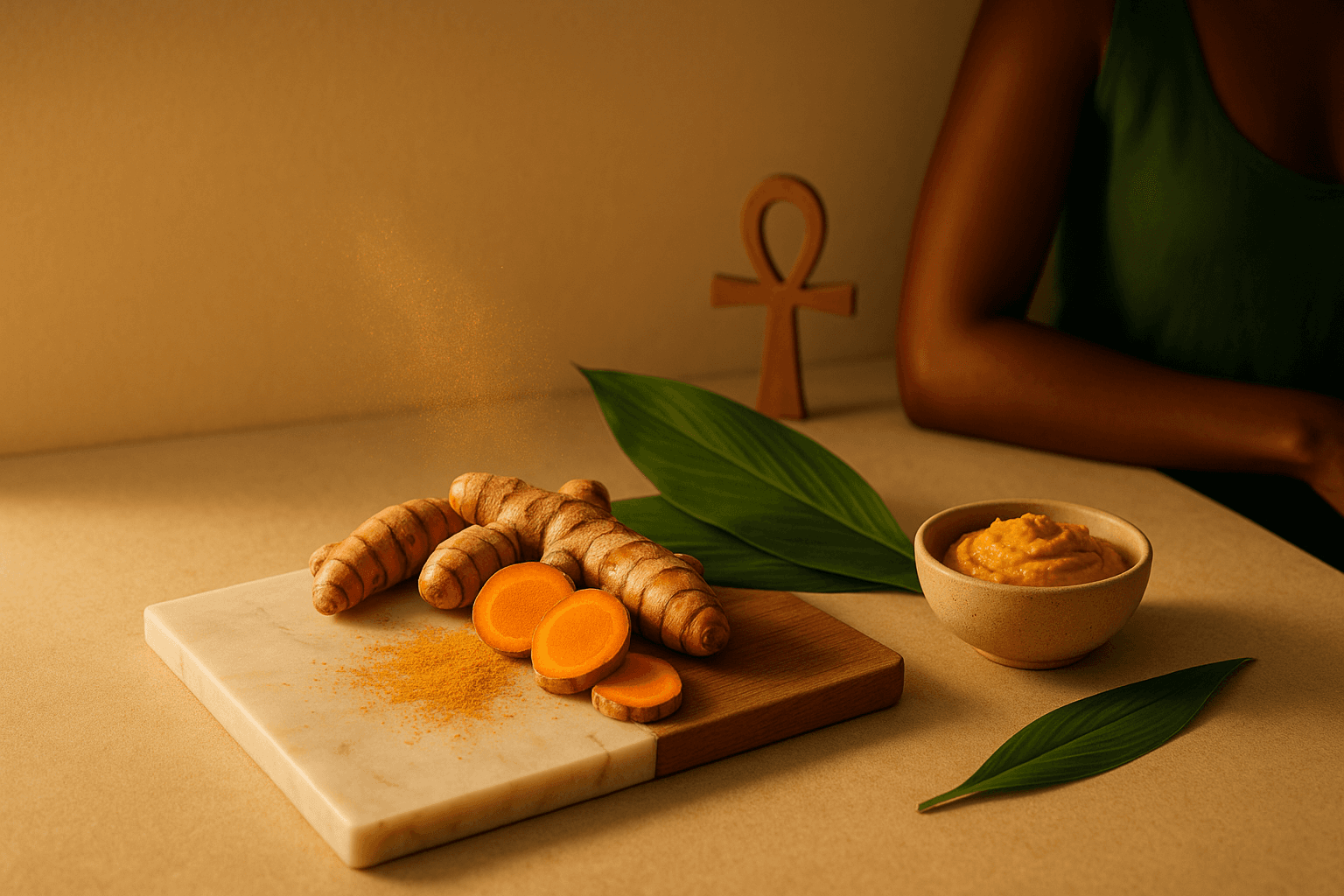
Curcumin and PCOS: What the Clinical Research Actually Shows
Curcumin has been studied in women with PCOS, and the results are more specific — and more limited — than the headlines suggest. Here is what the meta-analyses measured, how strong that evidence is, and where a supplement conversation ends and a clinical one begins.
Frequently Asked Questions
What is the difference between turmeric and curcumin?+
Turmeric is the whole spice (Curcuma longa root), while curcumin is the primary bioactive compound within turmeric, comprising about 2-5% of the spice by weight. Curcumin supplements provide concentrated doses of curcuminoids that would be impractical to obtain from dietary turmeric alone. Most clinical studies use standardized curcumin extracts, not whole turmeric.
Why does curcumin bioavailability matter so much?+
Native curcumin has extremely poor absorption, with studies showing that less than 1% reaches the bloodstream unchanged. Without enhanced bioavailability, even high doses of standard curcumin may not achieve the blood levels shown to be effective in clinical trials. Phytosome delivery technology improves absorption by approximately 29-fold, making therapeutic doses achievable.
Can curcumin help with hormonal conditions like PCOS?+
Clinical trials have shown that curcumin supplementation can improve several PCOS markers, including fasting blood sugar, insulin resistance (HOMA-IR), inflammatory markers (CRP, IL-6), and lipid profiles. Curcumin's benefits for PCOS appear to stem from its combined anti-inflammatory and insulin-sensitizing effects, addressing core disease mechanisms rather than just symptoms.
Is it safe to take curcumin every day long-term?+
Curcumin has an excellent safety profile in clinical trials, with daily doses up to 8g showing no serious adverse effects in studies lasting up to 3 months. Standard supplemental doses of 500-1000mg of enhanced curcumin are well-tolerated for long-term use. However, curcumin may interact with blood thinners and certain medications, so consult a healthcare provider if you take prescription drugs.
Explore more wellness topics
Evidence-based insights from the Ankhora Wellness team.