Sleep Science & Recovery
Evidence-based strategies for better sleep quality through supplementation and sleep hygiene
Sleep is the single most impactful health behavior available to us, yet one in three adults consistently fails to get adequate rest. The consequences extend far beyond daytime fatigue, affecting immune function, hormonal balance, cognitive performance, emotional regulation, and long-term disease risk.
Sleep science has advanced dramatically in recent years, moving well beyond simple advice to 'get more rest.' We now understand the architecture of sleep in detail: the cycling between light sleep, deep slow-wave sleep, and REM sleep, each serving distinct physiological functions. Disruptions to this architecture, even when total sleep time appears adequate, can impair memory consolidation, tissue repair, and metabolic regulation.
Evidence-based supplementation for sleep focuses on compounds that support the body's natural sleep-wake mechanisms rather than sedation. Magnesium glycinate, for example, activates the parasympathetic nervous system and regulates melatonin production. Clinical trials show it improves sleep onset latency, sleep efficiency, and subjective sleep quality, particularly in those with suboptimal magnesium status, which affects an estimated 50% of adults.
L-theanine, an amino acid found naturally in green tea, promotes alpha brain wave activity associated with relaxed wakefulness. Rather than causing drowsiness, it facilitates the transition from alert wakefulness to the relaxed state that precedes sleep onset. Studies show 200mg of L-theanine before bed improves sleep quality without next-day grogginess.
Passionflower (Passiflora incarnata) acts through GABAergic mechanisms, enhancing the activity of gamma-aminobutyric acid, the brain's primary inhibitory neurotransmitter. Clinical trials comparing passionflower to pharmaceutical sleep aids have shown comparable improvements in sleep quality with fewer side effects.
The connection between sleep and cognitive performance is bidirectional. Poor sleep degrades focus, creativity, and flow states, while optimized sleep dramatically enhances cognitive capacity. This hub explores both the science of sleep supplementation and the broader relationship between rest, recovery, and peak mental performance.
Related Articles
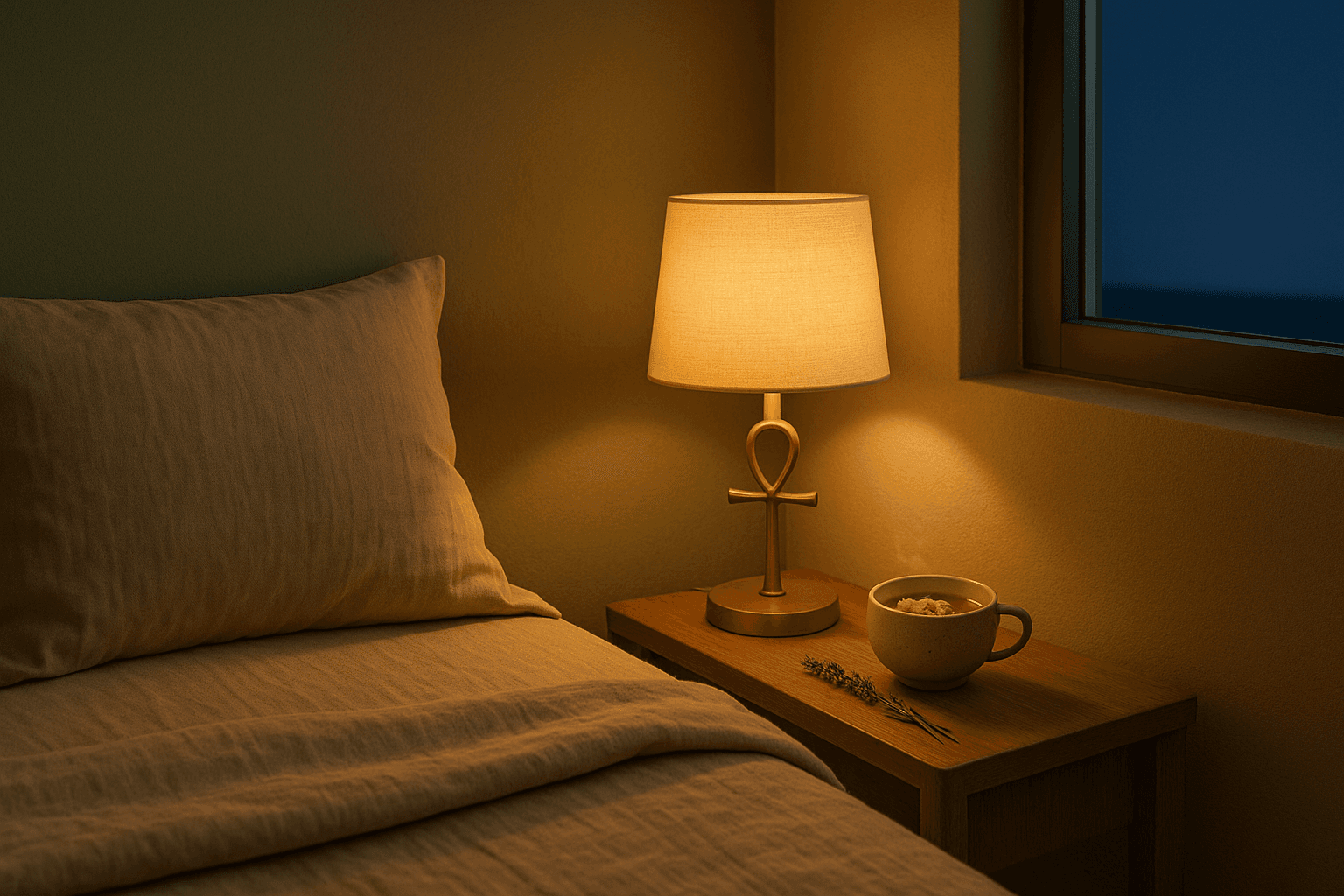
The Science of Sleep Hygiene: Evidence-Based Strategies and Supplement Support for Restorative Rest
Poor sleep is rarely a willpower problem. Here is how the two systems that time your sleep actually work, what the clinical literature does and does not establish for magnesium, glycine, L-theanine, melatonin, passionflower, reishi, and ashwagandha, and how those numbers compare to what is actually in a capsule.

Deep Focus, Honestly: Working Habits and What the Nootropic Evidence Actually Supports
Absorbed, effortless focus is a real experience. Here is a practical approach to deep work, plus what the clinical literature does and does not establish for L-theanine, caffeine, bacopa, and lion's mane.
Frequently Asked Questions
What is the best form of magnesium for sleep?+
Magnesium glycinate (also called magnesium bisglycinate) is generally considered the best form for sleep support. The glycine amino acid that carries the magnesium has its own calming effects on the nervous system, and this form is well-absorbed without the digestive side effects common with magnesium oxide or citrate. Clinical studies typically use 200-400mg of elemental magnesium from glycinate form.
Do natural sleep aids cause dependence like prescription sleep medications?+
Evidence-based natural sleep compounds like magnesium, L-theanine, and passionflower do not create physical dependence or tolerance. Unlike pharmaceutical sleep aids (benzodiazepines, Z-drugs) that alter GABA receptor sensitivity, these compounds support the body's existing sleep mechanisms. They can be discontinued at any time without withdrawal effects or rebound insomnia.
How long before bed should you take sleep supplements?+
Most sleep-supporting supplements are best taken 30-60 minutes before your target bedtime. This allows time for absorption and onset of effects. Magnesium glycinate and L-theanine can be taken together. Consistency matters more than exact timing, as compounds like magnesium build optimal tissue levels over days to weeks of regular use.
Can poor sleep affect hormonal balance?+
Yes, sleep deprivation significantly disrupts hormonal balance. Even one night of poor sleep elevates cortisol levels the following day. Chronic sleep restriction reduces growth hormone secretion (which occurs primarily during deep sleep), impairs insulin sensitivity, and can disrupt reproductive hormones including estrogen and progesterone. Prioritizing sleep quality is one of the most effective strategies for hormonal health.
Explore more wellness topics
Evidence-based insights from the Ankhora Wellness team.